

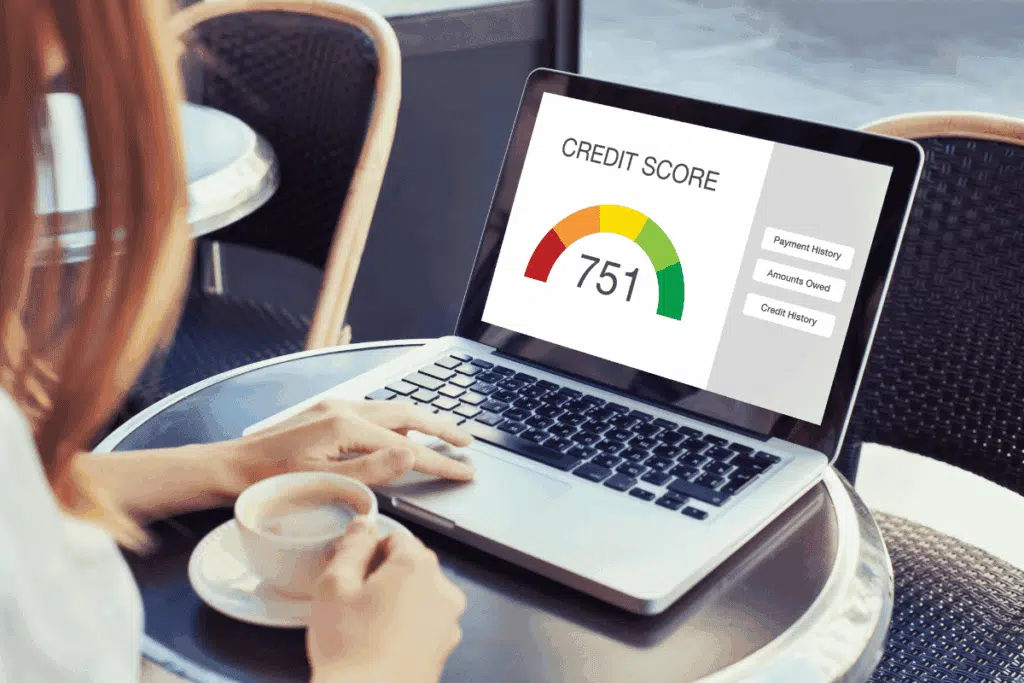
Every year, thousands of consumers turn to a credit repair company hoping to improve their financial situation. But do these services actually deliver results, or are they just expensive promises? In this comprehensive guide, we break down how a credit repair company works, what debt types hurt your FICO score the most, and how to recover fast.
When considering a credit repair company or trying to improve your credit on your own, understanding how each debt type affects your FICO score is critical. How every debt type — credit cards, collections, charge-offs, medical bills, and installment loans — impacts your FICO score, and the strategies to recover fast.
Different debts damage your score in different ways. Credit card debt hurts through utilization (fixable in 30–60 days by paying down balances). Collections and charge-offs cause 100–150 point drops and linger 7 years — but lose power as they age. Installment loans are mostly score-neutral if paid on time. Medical debt under FICO 9 is scored less harshly. The fastest FICO fix: pay down credit cards first, then dispute any inaccurate negative items.
Before analyzing each debt type, understand what your score is actually measuring:
The single biggest factor. Any missed payment, collection, or charge-off lives here and causes massive damage.
Your credit card balance vs. credit limit ratio. The most actionable factor — you can improve it in 30–60 days.
Average age of all accounts. Never close your oldest cards — even at $0 balance, they protect this factor.
Having both revolving (credit cards) and installment (auto, mortgage) accounts boosts this factor automatically.
Hard inquiries and recently opened accounts. Each hard pull temporarily drops your score 2–10 points for up to 12 months.
Tip: A qualified credit repair company can help you dispute inaccurate negative items dragging down your score.
| Debt Type | Score Impact | Primary Factor | Recovery Timeline | Fix Priority |
|---|---|---|---|---|
| Credit Card Debt | ⚠ High (if >30%) | Utilization (30%) | 30–60 days after paydown | 🔥 #1 Fix First |
| Collections | 🔴 Very High (−100–150 pts) | Payment History (35%) | 7 years (weakens over time) | Dispute / Delete |
| Charge-Offs | 🔴 Very High (−100–150 pts) | Payment History (35%) | 7 years from charge-off date | Negotiate Removal |
| Auto / Mortgage | 🟢 Low (if on-time) | Credit Mix (10%) | Improves with every on-time payment | Keep Current |
| Medical Debt | ⚠ Medium (if collected) | Payment History (35%) | Faster recovery under FICO 9 | Dispute First |
Credit card debt primarily hurts your score through credit utilization — how much of your available revolving credit you’re actually using. FICO weighs this at 30%, making it the second most powerful factor after payment history.
📊 Real-World Impact Example:
You have $10,000 in total credit limits and $7,000 in balances (70% utilization). Paying balances down to $3,000 (30% utilization) can improve your score 50–100 points within 30–60 days — one of the fastest FICO wins available.
Target: Keep individual card utilization below 30%, total utilization below 10% for maximum score impact. Never close old cards — that raises utilization by reducing total available credit.
Collections appear when an account is 120–180 days past due and a creditor sells it to a third-party debt collector. A single collection can drop your score 100–150 points and stays on all three credit bureaus for 7 years.
How age affects impact: Collections lose power over time. A collection from 6 years ago has minimal score impact. One from 6 months ago can still cost you 50–100 points. This is why waiting isn’t always wrong for older accounts.
Under FCRA §611: If a collection contains any inaccurate information — wrong balance, wrong date, account you don’t recognize — you have the right to dispute it with all three bureaus. Unverifiable items must be removed within 30–45 days.
A charge-off occurs when a creditor writes an account off as uncollectible (typically after 180+ days of non-payment). Unlike collections, the original creditor still owns the debt and can still pursue legal action or sell it to collectors — potentially creating two negative entries for the same debt.
Score impact: Comparable to collections — 100–150 point drop. Stays on your report for 7 years from the charge-off date. Paying a charge-off does not remove it; it simply updates the status to “paid charge-off,” which still hurts.
Best strategy: Negotiate removal as part of a settlement agreement. Always get a pay-for-delete letter in writing before sending a single payment.
Auto loans, mortgages, and personal loans are installment debt — fixed payments over a fixed term. Unlike credit cards, installment loans don’t trigger utilization calculations. FICO doesn’t penalize you for using the full loan amount.
A reputable credit repair company will prioritize removing collection accounts and charge-offs — these have the highest FICO impact.
Every on-time payment builds payment history (35%) and credit mix (10%). A 3-year car loan with zero late payments is one of the most powerful credit-building tools available.
Medical debt in collections used to hit your score as hard as any other collection. That’s changed. FICO 9 and VantageScore 4.0 both treat medical collections less harshly, and paid medical collections no longer affect your FICO 9 score at all.
Additionally, medical debt under $500 is excluded from credit reporting under CFPB rules, and unpaid medical bills now have a 365-day grace period before they can appear on your report — giving you time to resolve billing disputes before any damage occurs.
Credit card balance ÷ credit limit. Directly impacts your FICO score. Example: $3,000 balance / $10,000 limit = 30% utilization. Fixable in 30–60 days by paying down balances.
Monthly debt payments ÷ gross monthly income. Does NOT affect your FICO score. But lenders check it separately when you apply for credit. Keep DTI below 43% for mortgage qualification.
Pay minimum on all debts. Direct all extra money at the highest-interest debt first. When it’s paid, roll that payment to the next highest.
Pay minimum on all debts. Target the smallest balance regardless of interest rate. Each debt eliminated frees up cash for the next.
Pay minimums on all debts. Attack high-utilization credit cards first (fastest FICO boost), then pay off one small debt for momentum, then switch to highest-interest remaining debt.
Utilization drops to 0%. Expect a 20–50 point boost within 30–60 days. Keep the card open — closing it raises utilization on other cards.
Score improvement is minimal — the negative mark stays. Best outcome: negotiate pay-for-delete before paying. Under FICO 9, paid collections have no impact.
Paying changes status to “settled” or “paid” — the mark remains. Always negotiate removal as a condition of settlement before paying.
Closing a loan slightly reduces credit mix (−5 to −15 pts), but the benefit of eliminating monthly payments usually outweighs the hit.
Pull all 3 credit reports (free at AnnualCreditReport.com). Dispute any inaccuracies under FCRA §611. Pay down highest-utilization credit cards first.
When evaluating a credit repair company, ask how they handle utilization coaching — this factor alone can drive 50–100 point improvements.
Credit card paydowns reflect on your report. Successful disputes remove inaccurate items. Score can jump 30–80 points for many consumers in this window.
New on-time payments build positive history. Collections aging past 2–3 years lose significant scoring power. Credit mix improvements from new secured cards or credit-builder loans register here.
Consistent on-time payments compound. Old negatives age and lose power. Many clients move from sub-580 to 680+ in this window with disciplined credit management.
Collections, charge-offs, and most negative items automatically drop off all 3 bureaus at the 7-year mark. Consumers who built positive history in parallel can enter this phase with 720+ scores.
Maximum FICO Score has helped thousands of Bakersfield and Kern County consumers analyze their debt, dispute inaccurate items, and recover 80–150+ FICO points since 2016.
Does paying off all my debt instantly boost my credit score? ▾
Not instantly, but quickly. Paying off credit cards boosts your score within 30–60 days as the lower balance is reported. Paying off collections or charge-offs provides minimal improvement unless the item is fully removed from your report.
Should I pay off my credit cards or installment loans first? ▾
Pay credit cards first. This reduces your credit utilization ratio — the second most important FICO factor — and can produce a score increase in as little as 30 days. Installment loan balances don’t affect utilization calculations.
How long does a collection stay on my credit report? ▾
Collections remain on your credit report for 7 years from the original delinquency date — not from when the account was sold to a collector. After 7 years, the item automatically falls off all three bureaus. Any collector trying to restart this clock is violating the FCRA.
Is a paid collection better than an unpaid collection on my report? ▾
Under older FICO models (8 and below), a paid collection still shows as a negative mark and provides minimal score benefit. Under FICO 9, paid medical collections have zero impact. For non-medical debt, your best outcome is negotiating complete removal — not just payment.
Can I negotiate a debt collector into removing a collection from my report? ▾
Yes, often — especially on older debts where the collector paid very little to acquire the account. A pay-for-delete agreement involves you paying a negotiated settlement in exchange for the collector removing the item from all three bureaus. Always get the written agreement before any payment.
What credit utilization percentage is ideal for a high FICO score? ▾
The highest FICO scores (800+) typically show utilization below 6% per card and below 10% overall. Using at least 1% (not 0%) on a card signals active, responsible use. Carrying 30%+ utilization on any individual card starts to noticeably lower your score.
Maximum FICO Score — Bakersfield, CA | Serving Kern County, Los Angeles, and nationwide
Licensed Credit Services Organization since 2016 · FCRA · CROA · FDCPA · TSR Compliant
Key Takeaways: Do credit repair company services Really Work?
First and foremost, credit repair company services do legitimately work — but only when performed by compliant, licensed organizations operating under the Credit Repair Organizations Act (CROA). Furthermore, the effectiveness of any credit repair service depends largely on the specific errors, inaccuracies, and unverifiable items present in your credit reports. Additionally, working with an experienced Bakersfield credit repair company like Maximum FICO Score ensures that your dispute strategy is both personalized and legally sound. However, consumers should be wary of companies that make unrealistic guarantees, as no legitimate provider can promise a specific score increase. In contrast, reputable organizations provide written service agreements, charge no advance fees, and give you the right to cancel at any time. Consequently, verifying a company’s BBB rating, CROA compliance, and client reviews is essential before signing any contract. As a result, clients who choose a licensed and transparent credit repair service in Bakersfield are far more likely to see meaningful, verifiable improvements. Overall, a realistic timeline for credit repair ranges from 60 to 180 days depending on the complexity of your file. Specifically, Maximum FICO Score focuses on FCRA-compliant dispute strategies targeting inaccurate, unverifiable, and outdated items across all three major bureaus. Similarly, our team keeps every client informed throughout the process with regular updates and clear next steps.
Legitimate credit repair services work by reviewing your credit reports for errors, disputing inaccurate or unverifiable items with the bureaus, and guiding you on positive financial habits. They cannot remove accurate negative items, but they can be effective for fixing errors that are dragging down your score.
Under the Credit Repair Organizations Act (CROA), credit repair companies can dispute inaccurate, outdated, or unverifiable items on your credit report. They cannot guarantee specific score increases, charge upfront fees before services are rendered, or legally remove accurate negative information.
Most clients see initial results within 30–60 days when errors are removed. More complex situations involving multiple collections or late payments may take 3–6 months to show meaningful improvement. Sustainable credit repair typically takes 6–12 months of consistent effort.
Look for transparency (clear contracts, no upfront fees), a proven dispute process, CROA compliance, positive verified reviews, and realistic expectations. Avoid companies that promise to “erase” bad credit or create a new credit identity — those practices are illegal.
Yes. You can dispute errors for free directly with Equifax, Experian, and TransUnion. The process takes time and effort, but your consumer rights under the FCRA are the same whether you dispute yourself or use a professional service.