


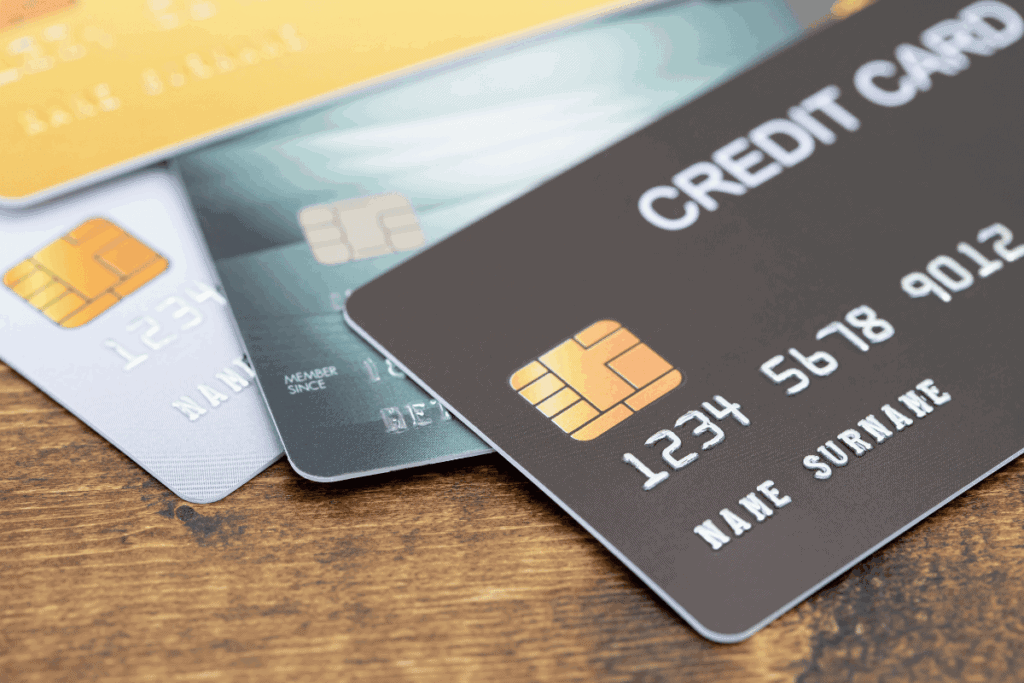
Learn how to earn rewards responsibly while building a stronger credit profile
Client Support 661-505-8085 for Expert AdviceHow Credit Card Rewards Programs Actually Work
Credit card rewards programs are designed to incentivize spending by returning a percentage of your purchases back to you in the form of cash, points, or miles. But here’s what many people don’t realize: the way you use these cards directly impacts your FICO score, which determines whether you’ll qualify for lower rates and better terms on future credit.
When you open a rewards card, the card issuer performs a hard inquiry on your credit report. This temporarily lowers your score by 5–10 points. Additionally, your new account will have a lower average age of credit, which can also reduce your score slightly. However, these dips are minor compared to the long-term damage caused by misusing rewards cards.
The real risk comes from overspending because you’re “earning rewards.” Many cardholders rack up balances just to accumulate points, only to pay interest that exceeds the value of the rewards earned. This increases your credit utilization ratio—the percentage of available credit you’re using—which is the second most important factor in your FICO score (35% weight).
Rewards Card Types Compared: Cashback vs. Points vs. Miles
Understanding the differences between rewards types helps you choose the right card for your lifestyle and financial situation.
| Rewards Type | How It Works | Best For | Credit Score Impact |
|---|---|---|---|
| Cashback | Earn a percentage of each purchase (typically 1–5%) as statement credits or direct deposits | People who want simple, immediate value; everyday spending | Minimal when used responsibly; just pay the bill monthly |
| Points | Earn points per dollar spent, redeemable for purchases, travel, or merchandise through partner programs | People who want flexibility and variety in redemption options | Low impact if you don’t overspend chasing points |
| Miles | Earn airline or travel miles; often have transfer partners and premium redemption options | Frequent travelers; people with specific airline loyalty | Risky if you increase spending to hit bonus miles thresholds |
Credit Score Requirements for Rewards Cards
Not all rewards cards are available to everyone. Most premium rewards cards require a credit score of at least 700–750, with some elite cards requiring 800+. If your score is below 700, you’ll have limited options and may pay higher interest rates if you carry a balance.
This is where Maximum FICO Score’s credit repair services help. By disputing inaccuracies, removing outdated negatives, and optimizing your credit profile, we help clients qualify for premium rewards cards that offer significantly better earning rates and benefits.
Using Rewards Cards Without Hurting Your Score
1. Keep utilization under 30%: Only use your rewards card for purchases you’d make anyway. If your card has a $5,000 limit, try not to carry a balance above $1,500 before paying it off.
2. Pay in full every month: Interest charges will far exceed any rewards earned. A card offering 2% cashback is pointless if you’re paying 18% APR in interest.
3. Avoid the signup bonus trap: Don’t open multiple cards in a short timeframe just to earn signup bonuses. Each application triggers a hard inquiry, and multiple new accounts will damage your score.
4. Time applications strategically: Space new card applications 6 months apart. This minimizes the impact to your credit score and shows lenders you’re not desperately seeking credit.
5. Keep old cards open: Even if you stop using a rewards card, keep it open. Closing old accounts reduces your available credit and shortens your average account age—both hurt your score.
Matching Rewards Cards to Your Spending Habits
The best rewards card for you depends on where you spend money. A card offering 3% cashback on groceries and gas is worthless if you spend most of your money on restaurants and online shopping. Before applying, track your spending for 2–3 months to identify categories where you have the highest expenses.
Once you know your spending patterns, choose a card that rewards those categories. If you spend $500/month on groceries and gas combined, a 2% cashback card earns you $120/year. If you open a card with higher fees just to chase the rewards on other categories, you’ll lose money—and potentially damage your credit score in the process.
What Happens to Your Credit Score When You Open a Rewards Card
Expect a temporary dip of 5–10 points immediately after applying. Within a few months, as you use the card responsibly (paying in full, keeping utilization low), your score will rebound and even improve. The credit mix factor (10% of your score) also benefits from having diverse credit types, which a credit card supports.
However, if you carry a balance or max out the card, your score will suffer. High utilization can drop your score by 50–100 points or more.
Responsible Rewards Strategies That Boost Your Score
Strategy 1: The “Set and Forget” approach — Use the rewards card for one category (groceries, gas) only. Automate payments to ensure you never carry a balance. This keeps utilization low while building positive payment history.
Strategy 2: The “Spend What You Can Pay” rule — Only charge what you can pay off in full that billing cycle. This eliminates interest risk and ensures responsible usage.
Strategy 3: The “Bonus without Overspending” method — To hit a signup bonus without increasing spending, time the application to coincide with a planned large purchase (appliance, travel) that you can pay off immediately.
Ready to Optimize Your Credit for Better Rewards?
Let our credit experts help you build a stronger profile—and qualify for the best rewards cards available.
Client Support 661-505-8085 NowFAQ: Credit Card Rewards & Your FICO Score
Can rewards cards hurt my credit score?
Only if misused. A hard inquiry temporarily lowers your score by a few points, but responsible usage (paying in full, low utilization) actually builds credit. The damage comes from carrying balances or opening too many cards at once.
How many rewards cards should I have?
Most experts recommend 2–4 active cards. This provides credit mix benefit without overwhelming your finances. More cards increase the temptation to overspend and make it harder to manage payments.
Does applying for a rewards card hurt my score permanently?
No. The hard inquiry impact lasts 12 months and drops off your report after 2 years. Within 3–6 months of responsible usage, the new account benefit of payment history typically outweighs the application impact.
What if I have bad credit? Can I get a rewards card?
Secured rewards cards exist for scores below 650. You’ll need to deposit collateral, but you can earn rewards while rebuilding. As your score improves with our help, you can upgrade to unsecured cards with better benefits.
Should I close a rewards card if the annual fee isn’t worth it?
No. Keep it open if you can manage the fee or have a $0 annual fee option. Closing reduces your available credit and hurts your utilization ratio. After 7–10 years, the account drops off naturally.
The Bottom Line
Credit card rewards programs can be powerful tools for building wealth—but only if you use them responsibly. The same card that earns you hundreds in rewards can damage your credit and cost you thousands in interest if misused.
At Maximum FICO Score, we’ve helped thousands of Bakersfield, Kern County, and Los Angeles residents build stronger credit profiles that qualify them for premium rewards cards. Our licensed credit services organization has been helping people since 2016 navigate the complex relationship between rewards and credit health.
The key is treating your rewards card like a convenience tool, not a spending license. Pay in full, keep utilization low, time applications strategically, and watch your credit—and your rewards—grow.
Ready to Build Better Credit & Unlock Premium Rewards Cards?
Maximum FICO Score has helped thousands of clients improve their credit scores and qualify for the best credit cards.
Client Support 661-505-8085
Bakersfield, CA | Serving Kern County, Los Angeles, and nationwide | Licensed Credit Services Organization
Compliance Disclosure: Maximum FICO Score provides credit repair services in compliance with the Fair Credit Reporting Act (FCRA), Fair Debt Collection Practices Act (FDCPA), Credit Repair Organizations Act (CROA), and Telemarketing Sales Rule (TSR). We do not charge any fees for credit repair services in advance. We work on a contingency basis and provide a detailed service agreement before beginning any work. All credit repair services are conducted transparently, and clients can monitor progress at any time. For more information, visit the Federal Trade Commission’s resources on credit repair at ftc.gov.